Peak Goat Logo Template
A Designer’s First Look: Clean, Confident, and Craft-Ready
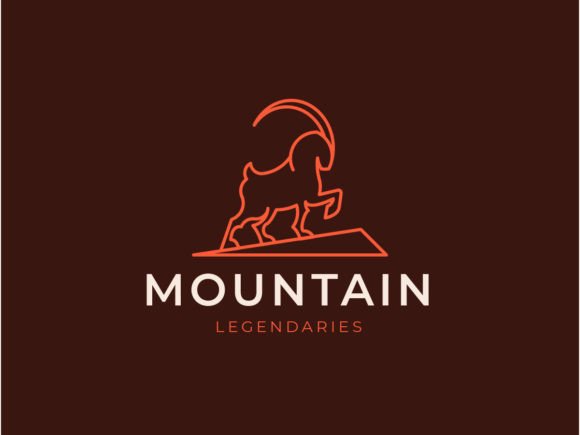
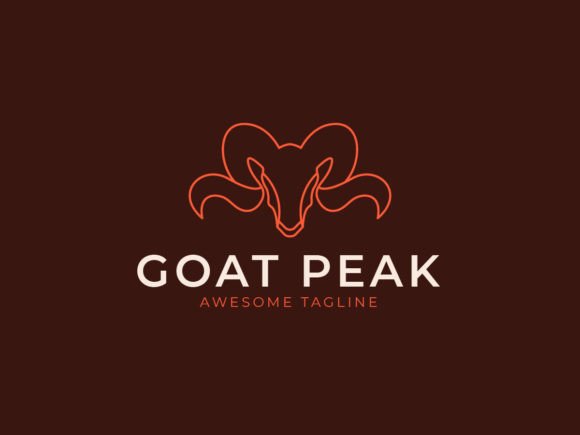
When I opened the Peak Goat Logo Template, my first thought wasn’t “cute” or “trendy”—it was “this will stitch cleanly.” That’s rare. The modern abstract style avoids overworked curves and fussy details. Instead, it leans into confident negative space, balanced weight distribution, and a strong central silhouette—exactly what you want when translating vector art to thread. It feels grounded but playful, professional but approachable. Not too literal, not too obscure. Just right for a boutique sweatshirt, a handmade baby blanket, or a set of embroidered tea towels sold at a local craft fair.
How It Holds Up on Real Embroidery Projects
I tested the Peak Goat Logo Template across three real-world scenarios: a cotton tote bag for a small hiking gear shop, a soft organic-cotton onesie for a newborn gift bundle, and a twill baseball cap for a local trail-running group. In each case, the design performed consistently well—not because it’s flashy, but because its structure respects embroidery’s physical limits.
- Custom apparel: On mid-weight cotton sweatshirts, the logo stitched with crisp satin-stitched edges and even fill-stitch density—no puckering or thread breakage, even at moderate speeds.
- Small items & delicate fabrics: For the onesie, I reduced the size slightly (to ~3.2" wide) and used lightweight tear-away stabilizer. The abstract goat shape retained legibility without thin lines collapsing—no running stitch fallbacks needed.
- Patches & caps: As an embroidered patch, the clean outlines made cutting and backing straightforward. On the curved cap front, the balanced proportions kept visual weight centered—no awkward stretching or distortion in the corners.
Where to Use It Thoughtfully
The Peak Goat Logo Template shines where clarity and craftsmanship matter—but it’s not magic. A few practical guardrails help avoid frustration:
- Avoid ultra-small hoop sizes (<3") unless you’re stitching on very fine linen or silk—some interior angles tighten at tiny scales and may need manual cleanup in your embroidery software.
- Texture matters: On heavily textured fabrics like bouclé or thick terry cloth, consider simplifying one interior detail (like the goat’s horn curve) before digitizing—it’ll hold up better under dense fill stitch.
- Dark or stretchy fabrics? Test contrast first. The logo’s open shapes read beautifully on light backgrounds, but if you’re using it on navy or charcoal, verify that your thread colors create enough pop—especially in smaller applications like baby bibs or holiday ornaments.
- Curved surfaces and layered garments: It works well on caps and aprons, but skip tight seams or double-layered hems unless you’ve pre-tested tension and stabilizer combo.
What It Adds to Your Finished Product
This isn’t just about stitching—it’s about perception. When customers see a piece with the Peak Goat Logo Template, they register intention. The abstract style signals thoughtful design, not clipart. That builds trust—especially for Etsy sellers and small shop owners positioning themselves as makers, not resellers. On a personalized gift (say, a pillow cover for a mountain-loving friend), it feels curated, not generic. On a wholesale apron for a café, it supports brand consistency without shouting. And because it’s scalable and editable, you can adapt it across product lines—same core identity, different executions.
Practical Notes from the Hoop
Before you load the Peak Goat Logo Template into your machine or list it in your shop, here’s what I always do:
- Test on scrap fabric first—not just to check alignment, but to assess how the stitch density interacts with your chosen thread and stabilizer combo.
- Review thread color contrast in both natural and artificial light. A warm taupe thread might look rich in daylight but muddy under store lighting.
- Check small details at actual size: zoom in on the SVG or EPS file to confirm no hairline gaps or overlapping paths that could cause digitizing hiccups.
- Mock it up in black and white—a quick grayscale print reveals balance issues invisible on screen.
- Compare light vs. dark fabric backgrounds using simple digital mockups. Does the goat silhouette stay distinct? Does negative space breathe or disappear?
- Use appropriate stabilizer: medium-weight cut-away for knits, lightweight tear-away for stable wovens, and fusible for lightweight linens.
- Confirm licensing terms before selling finished items or bundling the file in digital product kits—especially if you’re an Etsy seller or digital embroidery file creator.
Final Thought: A Logo That Works With You
The Peak Goat Logo Template doesn’t demand attention—it earns it. It’s not trying to be everything to everyone. It’s built for the maker who values clean execution over complexity, and for the small business owner who needs a versatile, ownable mark that translates across tote bags, baby items, holiday gifts, and shop signage without losing its voice. It’s the kind of logos asset that quietly elevates your graphics library—not because it’s loud, but because it’s reliable, adaptable, and genuinely embroidery-smart. If you’re sourcing design assets for real projects—not just placeholders—the Peak Goat Logo Template is worth your time, your stabilizer, and your next finished product.